

Returning Waste to the Field: Human Excrement, Sustainability and Circularity in Contemporary Rural China 轉廢還田:探討人類排遺在當代中國農村的永續性與循環經濟
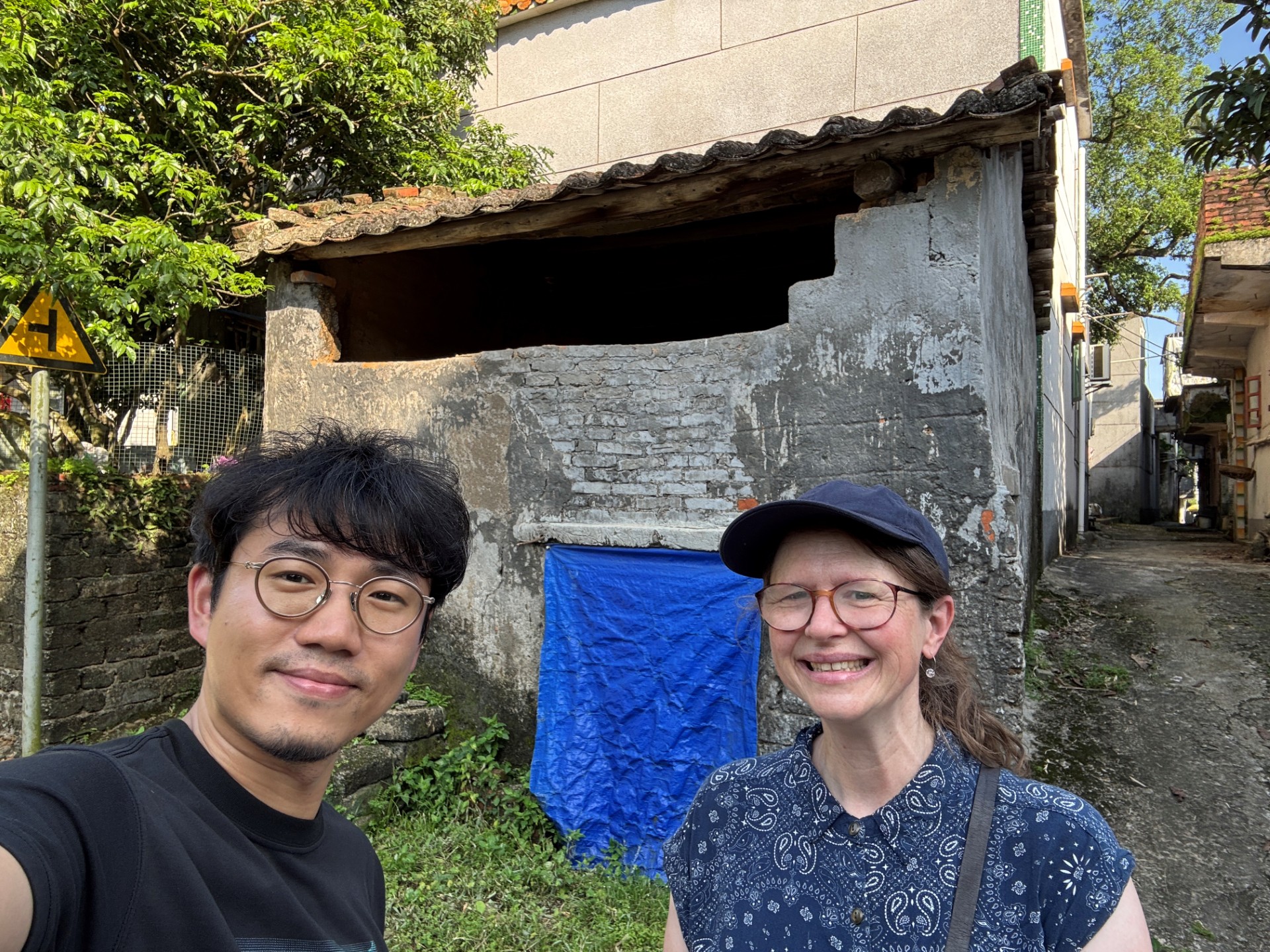
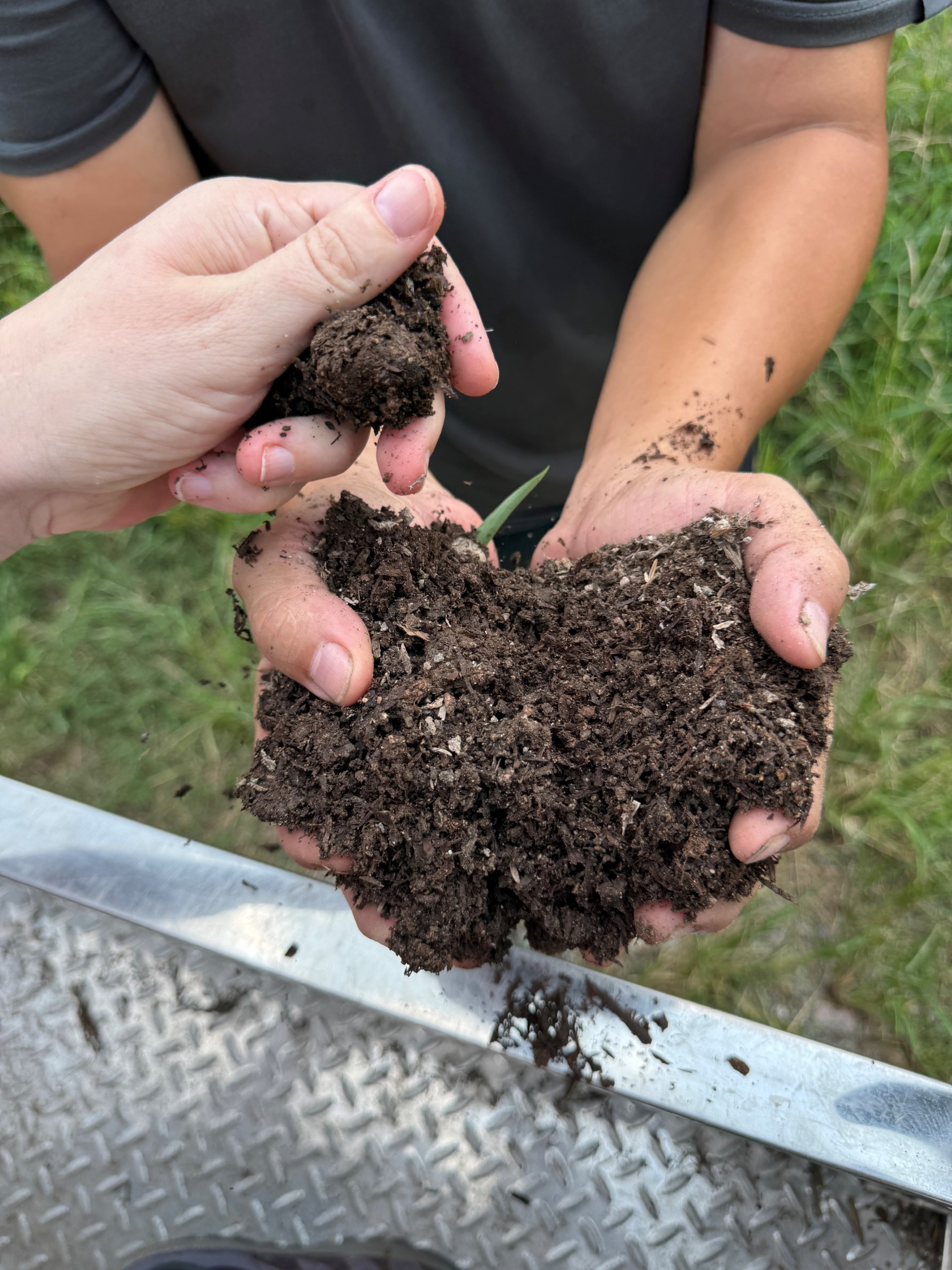
Human waste, commonly referred to as “humanure,” is increasingly recognized globally for its ecological and societal benefits as an organic fertilizer. China with its long history of using nightsoil in agriculture has specifically undergone significant changes in the two divergent phases—the socialist period and the post-socialist era, in which the role of human waste shifted from its deep and positive involvement in the collective management of environmental hygiene to detestation and exclusion formed by the discourse of modern hygiene practices. This research seeing the values and potential of human waste to respond to the pressing environmental issues focuses on sustainability and circularity of handling human waste in rural China. In Conghua, Guangzhou, an approach called “returning human waste to the field” (huantian) still can be observed. Therefore, this research will use Conghua as a case study to explore the complex dynamics of human waste management through farmers’ experiences, examining societal, technological, and ecological aspects in the post-socialist context. This mixed-methods research combines oral history, ethnography, and action research to investigate human excrement as acritical element in the social and ecological processes that sustain the mutual survival of humans, farmland, and soil organisms. The study will address key issues such as environmental hygiene, food security, sanitation technology, ecological crises, and circular economies. By emphasizing community perspectives in this specific case, this project hopes to develop a metabolic framework to explore the creation, maintenance, and disruption of human waste recycling practices in rural settings. Through action research, this project also propose cyclical approaches that bridge waste disposal and food production, exploring the tensions and synergies between these processes via the experiences of rural members. Ultimately, byre-evaluating the diverse materiality of human excrement, this project seeks to address environmental destruction and remediation, offering insights into a more sustainable (rural)future for China and beyond.
Publication
Shit in Our Time: An Unsettling Epoch of Metabolic Disturbance. Lateral (2024)
Principal Investigator:
Funding:
Research Grant Council, General Research Fund, n. 13607325 (2025/26), HKD584,000, 1/1/2026 – 31/12/2027.
Community Partner
Yinling Ecological Farm in Conghua, Guangzhou