


Eva TSANG
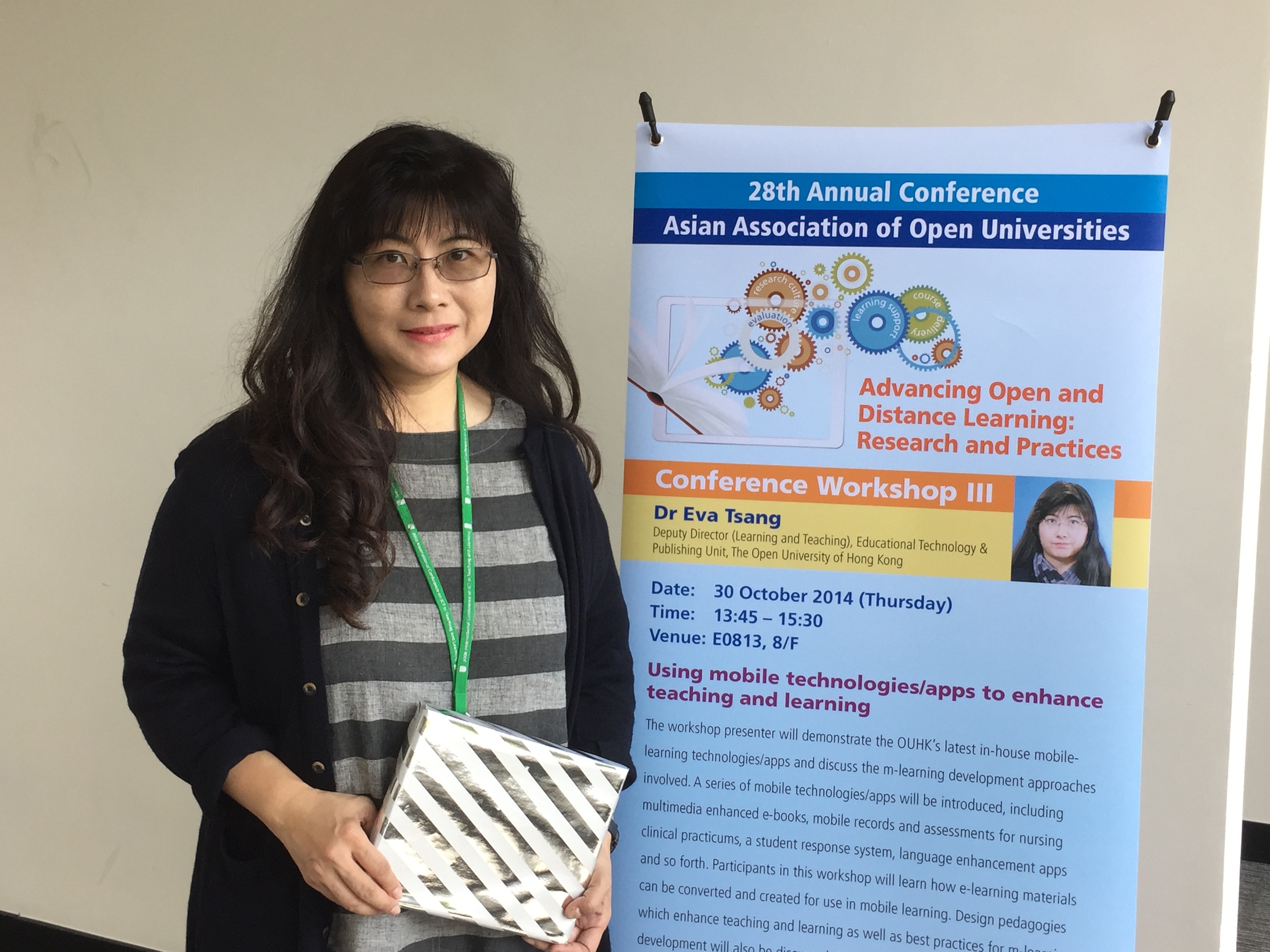
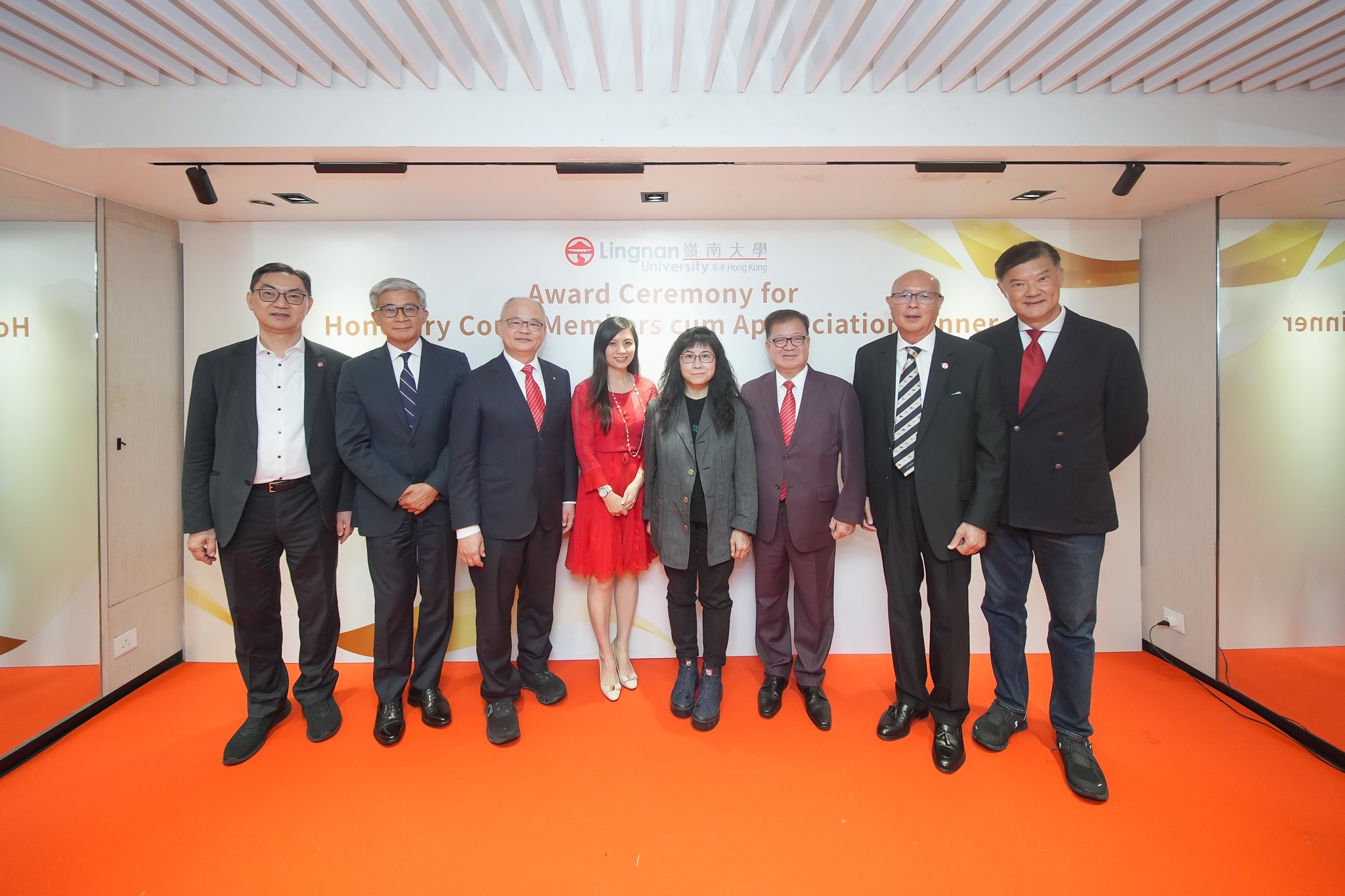


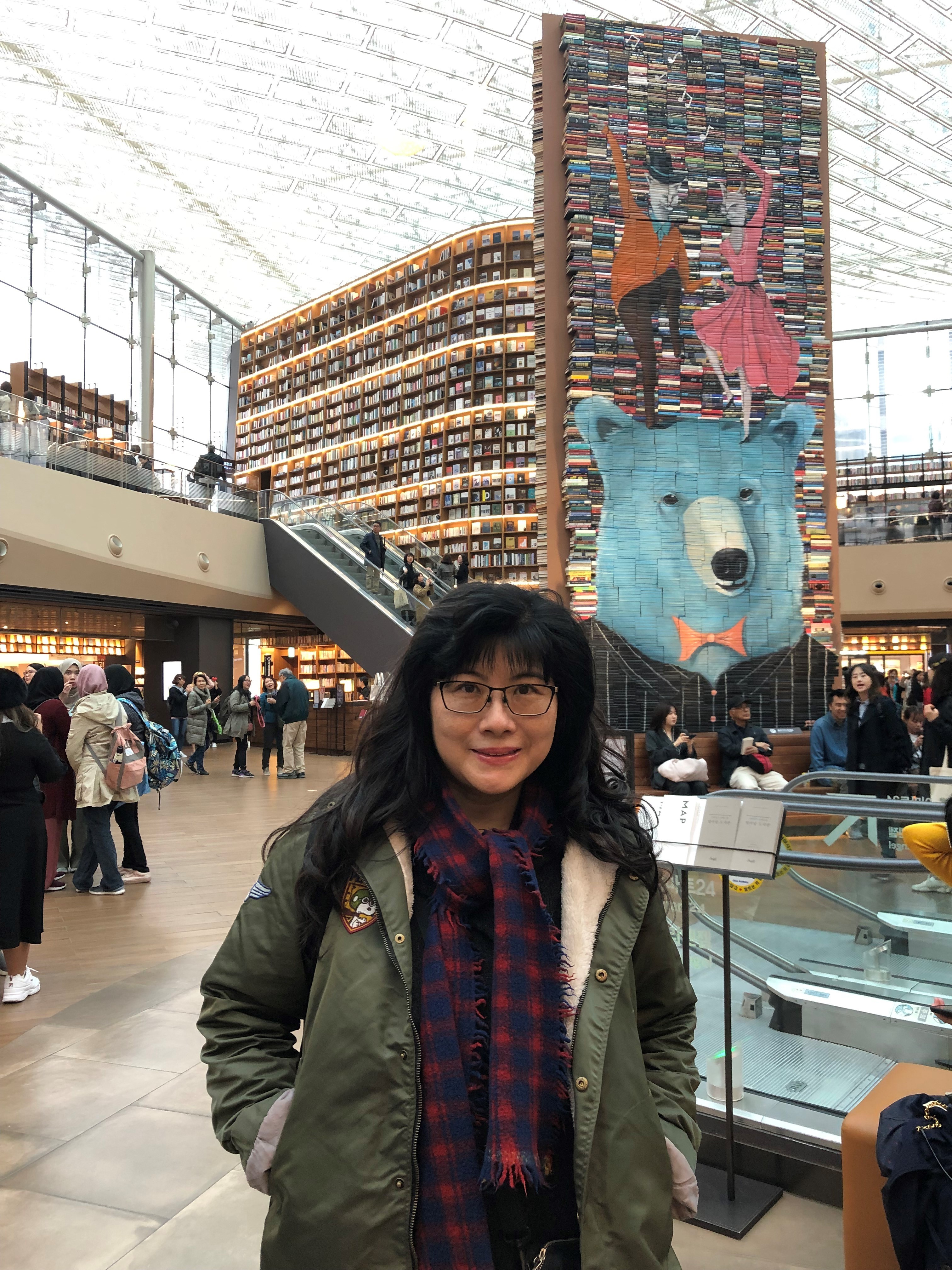
| Upholding the Belief in Education for Service, Embracing Educational Changes with a Growth Mindset “Do not be afraid of change. Be afraid of not changing.” Prof Eva TSANG Yuen-mei, Class of 1985, Department of Chinese, Lingnan College. After graduation, Prof Eva TSANG Yuen-mei embarked on a career in education as a secondary school teacher, later taking on teaching administrative roles at other educational institutions. She then pursued further studies in educational technology, instructional design, and online learning in the UK and the US respectively. Prof Tsang currently serves as the Associate Vice President (Strategic Initiatives) and Director of Advancement of Learning and Teaching at Hong Kong Metropolitan University (HKMU). Today, Prof Tsang shared with us her journey of studying and working, as well as her vision for the future of the education sector. Fond of Lingnan’s Chinese Department, Cherishing Nostalgic Memories and Bonds of “Blood-Red and Iron-Grey" Prof Tsang has been keen about the Chinese language and deeply passionate about being a teacher since she was young. After graduating from secondary school, she enrolled in Lingnan College with Chinese major because of the programme’s unique integration of literature, history, and philosophy into one department—unlike other higher education institutions in Hong Kong at the time. After all these years, Prof Tsang can still vividly recall the names of her professors: “There were Prof LEUNG Kan-nang, who taught classical studies and literature; Prof WU Wing-chiu, who taught history; and Prof CHENG Chi-bun, who taught culture and literary criticism... The most memorable part for me was Dr. Lam Lin-sen’s class on every Saturday at 8 a.m., where she taught phonology and philology for three hours straight!” She jokingly said that in those days, most arts students chose English as their major because the career prospects for Chinese were limited. “Studying Chinese usually meant becoming a teacher or an editor in the future, which pay far less than working in commercial companies.” Since there were fewer students studying Chinese, the classes were usually mixed with seniors and juniors, fostering a close relationship between students from different cohorts. Besides focusing on her studies, Prof Tsang was also actively engaged in student activities and even served as the editor-in-chief of the student journal Lingnan Folk during her studies. “I remember we wanted to interview a very famous novelist, “無名氏”, but our invitations kept being declined. Finally, through perseverance and the help of a publisher’s editor, we managed to convince him to agree to the interview!” During her leisure time, Prof Tsang loved studying and reading the Four Books and Five Classics with her seniors and classmates. After graduation, they still stayed in touch and often held reading groups. Later, Prof Tsang served as one of the Board of Directors in the Lingnan Education Organization and one of the Court Members of Lingnan University to ensure an effective and strategic management and advancement of the institution, giving back to her alma mater and carrying on the spirit of “blood-red and iron-grey". Prof Tsang smoothly became a secondary school teacher after graduation. A year later, she moved to another educational institution, taking on a broader role in instructional design, curriculum development and educational administration. “It was only then that I realised education is not just about a teacher ‘fighting battles alone,’ but a team effort that requires coordination and cooperation among different parties.” As Prof Tsang got involved in more sectors, she learned that the education industry was not that narrow. Consequently, she resolutely applied for unpaid leave and pursued a Master degree in Educational Technology at the University of Wales, UK. Afterwards, she further acquired a Doctor of Philosophy in Instructional Design for Online Learning from Capella University, US. She recalled that the time studying abroad was far from easy for a student majoring in Chinese. “Our classmates came from all over the world— such as Iceland, Canada, the Middle East, Kenya in Africa, and the UK—just like a mini United Nations! Besides striving to acclimate to a full English learning environment, I even had to ask my British classmates to help proofread my term papers!” Despite the language barrier, Prof Tsang never shied away from challenges, instead exerting herself to improve her language skills. This proactiveness in learning was one of the attributes she had cultivated during her studies at Lingnan. “The ultimate goal of studying Chinese is self-cultivation—to internalise the classics, history, philosophy, and literature we have read subtly transform our temperament, and gradually become a more refined and cultured person.” She shared with us the sayings given to her by Professor Leung Kin-nang, “Aim high. Read extensively. Work diligently. Learn from a good teacher.” She emphasised that these inner transformations and advancements require a great deal of effort and perseverance and would not show results right away. In real life, life is filled with countless challenges and moments of retreat; but only through perseverance can one achieve their ideal goals. Holding Tight to the Teaching belief, Leading the Team to Enhance the Quality of Teaching and Learning Prof Tsang is currently the Director of Advancement of Learning and Teaching at HKMU, responsible for instructional design, online learning support, and professional development within the university. She also oversees the production of the weekly TV programme Knowledge for All, which airs every Sunday on TVB Pearl. The programme features renowned speakers sharing topics across various fields, including literature, history, business management, languages, health, scientific research and more. Through free television broadcasting, she takes on the mission of spreading knowledge and educating the public. Having been with HKMU for over two decades, Prof Tsang still deeply loves her job. Her passion stems from her original dedication to education and her meticulous attention to language. “As the saying goes, ‘The devil is in the details.’ Whenever I write articles or draft policies, I always review attentively and analyze the pros and cons critically. I would consider, for instance, if the design of the course materials facilitates the best learning outcomes, or if the textual expression helps enhance students’ thinking skills.” Simply put, “instructional design” refers to using systematic methods to plan, develop, and evaluate instructional activities and materials, enabling learners to effectively acquire knowledge and skills. For example, mobile devices have a so-called ‘user interface.’ Even the placement of a single button can significantly affect user experience, reflecting the principles and elements of instructional design.” Prof Tsang pointed out that poor learning outcomes are often caused by poorly designed teaching materials, such as unclear wording or a lack of examples. Through understanding the reasons behind, she hopes to develop better instructional content to increase students’ learning efficiency, effectiveness and motivation. As her position advanced, Prof Tsang’s responsibilities expanded from instructional design and educational technology to professional development, personnel management, and even institutional finance. Currently she leads a professional team of dozens of people—including instructional designers who provide instructional design strategies, editors who compose teaching materials, system analysts who manage online learning platforms, graphic designers, and more. Although personnel management is quite challenging, she deeply enjoys her job. “Every day, I get to engage with so many different disciplines and areas of work, immerse myself in a sea of knowledge, and learn new things. How could I possibly feel bored?" With the arrival of the artificial intelligence era, many industries and jobs are at risk of being replaced, including the education sector. Prof Tsang pointed out that traditional teaching methods will soon become outdated. In the future, we should consider how to transform from individual study to collaborative work: for example, students can engage in self-study and preparation before class, reserving classroom time for discussion. Meanwhile, teachers must step out of their “comfort zones,” taking on the roles of guiding and facilitating the class, instead of relying on fixed teaching materials and assessment criteria. At the same time, exam questions should not be too straightforward; continuous assessments should be employed more often to train students’ critical thinking skills in different ways and help them learn to distinguish the authenticity of information (fact-checking). Furthermore, schools should actively apply various teaching strategies and AI technologies to lessen teachers’ workload. She admitted that many educators may need to abandon their conventional teaching methods. However, in an ever-changing world, only by adopting a growth mindset can one adapt to various changes and challenges. “The education sector should take a step forward and embrace change. Just like thirty years ago when the internet became popular, teachers did not know how to go online or access information.” From teaching in the classroom, to designing instructional content, and then to overseeing educational administration and professional development as a whole, Prof Tsang says that her growth originates from her curiosity and passion for learning new knowledge. She encourages students to be diligent, persevering, and patient. “Learning new things is undoubtedly difficult. I read many academic theories and books, too. But if you keep thinking and practising, you will certainly make progress.” Moreover, by sharing her motto- “Do not be afraid of change. Be afraid of not changing.” Prof Tsang urges young Lingnanians to maintain a growth mindset and a lifelong learning attitude. “Artificial intelligence will inevitably disrupt traditional teaching and learning models over the next decade. In today’s world, solely focusing on one discipline is not sufficient to cope with the rapidly changing environment. Therefore, we must strive to become generalists, acquire knowledge from different fields, cultivate communication skills, and draw inspirations from others to better adapt to the ever-changing societal landscape.”
|