

Impact of Giving
Building Hope with Humanitarian Innovation

The Joint Humanitarian Entrepreneurship Academy (Academy) at Lingnan University, organised by the Office of Service-Learning (OSL), is generously supported by the Lingnan Foundation to provide students with the opportunity to leave the comforts of the classroom and embark on a journey into the real world to explore social issues and develop impactful solutions for the community.
Since its launch in 2020, the Academy has brought students to all corners of the world, including Cambodia, the Philippines, Kazakhstan, Nepal and Uganda, equipping them with innovative thinking and a humanitarian spirit to turn ideas into impact, through hands-on experiences and collaboration with local partners.
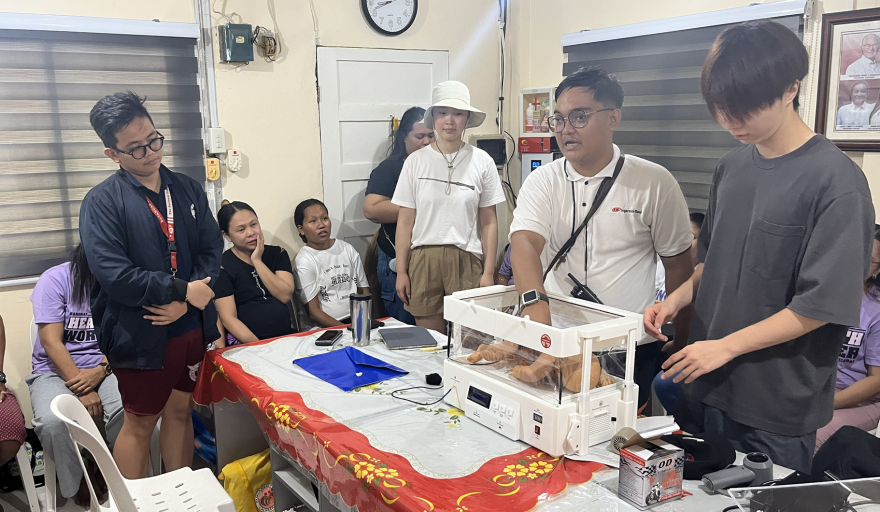
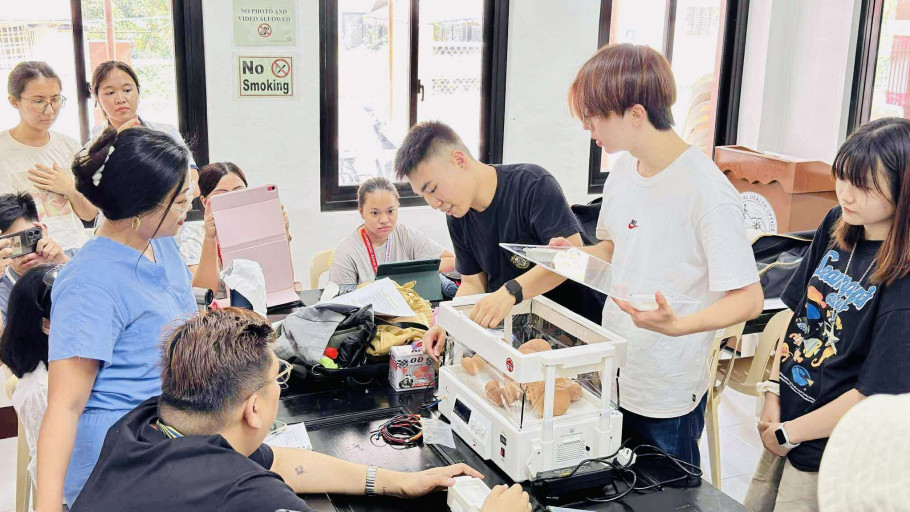
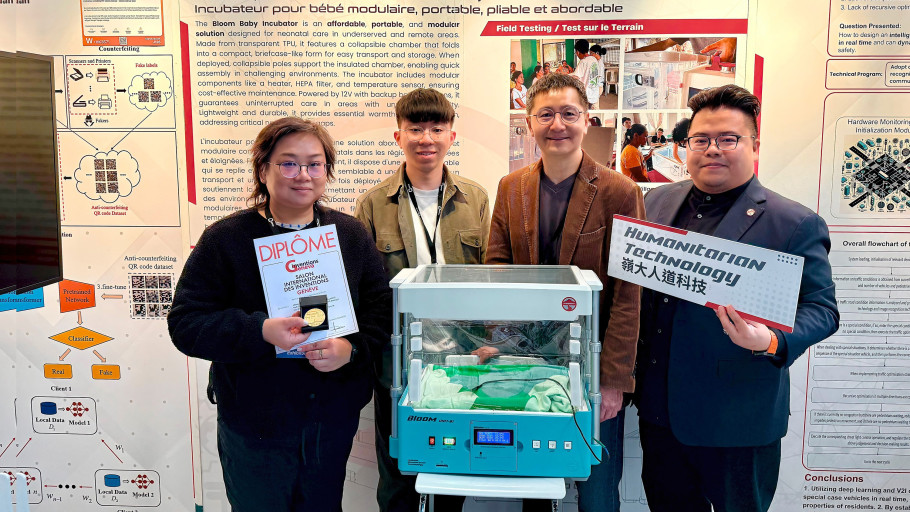
The Lingnan Foundation plays a crucial role in funding this impactful programme, which promotes entrepreneurship and social innovation locally and internationally, aligning with Lingnan’s commitment to service and societal betterment. A prime example of the Academy’s active involvement is the Baby Incubator Project, led by Prof Albert Ko, Director of United Nations University Hub on Humanitarian Innovation and Technology, OSL and the Lingnan Entrepreneurship Initiative. Incuvia (formerly BLOOM), a low-cost and energy-efficient portable baby incubator, exemplifies innovation meeting real human needs, designed for remote and rural areas in developing countries.
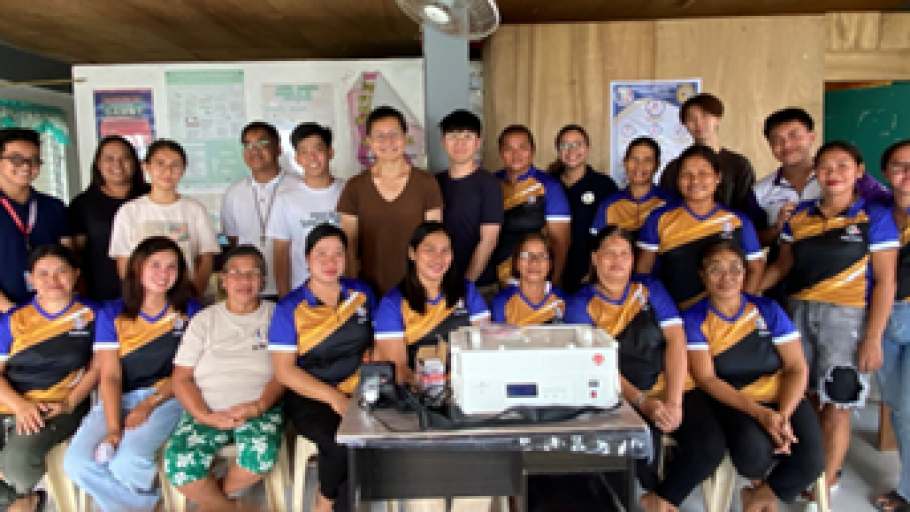
The Academy allowed Lingnan students and faculty to work closely with partners from Batangas State University to co-create humanitarian technology and inclusive business solutions for rural communities. Through iterative testing and community engagement during summer and winter academies, the incubator has evolved into a sustainable solution.
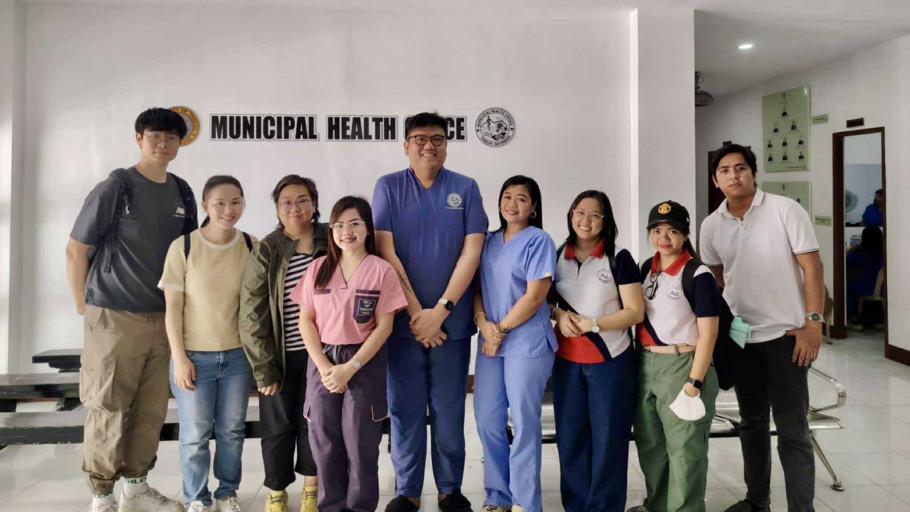
Gunjee Battogtokh, a year 2 student in Data Science, reflected on her impactful summer experience in Batangas City, Philippines. “Working alongside the rural health team in Tingloy was incredibly valuable. We witnessed the challenges of transporting premature babies, limited medical access and frequent power outages. It was exciting to see our progress with the portable incubator designed for real-world use.” She is grateful for the opportunity to contribute to a project that makes a difference. The experience taught students essential design thinking steps—Empathy, Define, Ideate, Prototype, and Test—and allowed them to collaborate on meaningful solutions.
This real-world involvement fosters essential soft skills in students, with impacts that extend beyond individual experiences. These initiatives not only build trust within communities but also raise awareness about the potential of humanitarian technology to drive change.
As Prof Ko said, “We didn’t just build an incubator; we built hope.” With the continued support of the Lingnan Foundation, there is a vision to expand societal support and resources, enabling the initiative to reach even more communities throughout Asia and beyond.
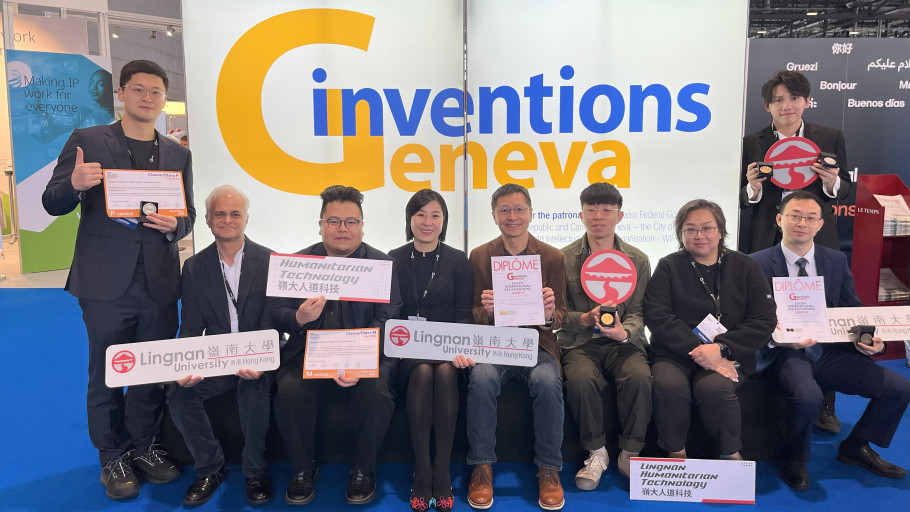
In 2025, Incuvia was awarded the prestigious Gold Medal with Congratulations of the Jury at the International Exhibition of Inventions in Geneva. This recognition not only showcases Lingnan’s collaborative spirit and ingenuity but also highlights the vital role of the Lingnan Foundation in facilitating groundbreaking developments.