

「卓越研究的個人之旅」講座系列 – 陳錦榮教授
活動 詳情
日期 & 時間:
2026年11月17日(星期二)| 上午11時至中午12時
地點:
嶺南大學李運強教學大樓南翼二樓梁方靄雲藝術廊
主辦機構:
研究生院
(本講座以英語進行,以下內容只提供英文版本。)
About the Speaker
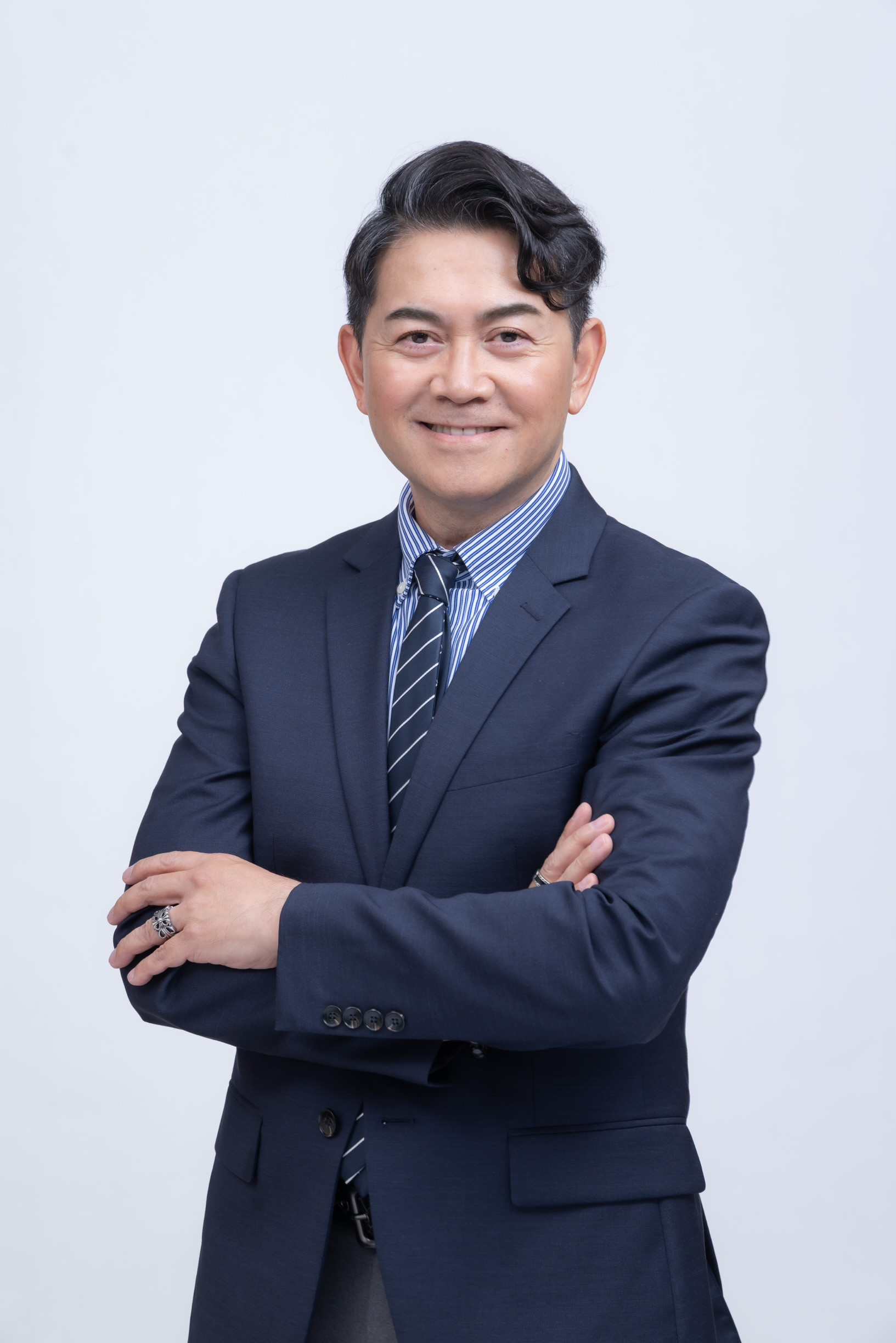
Professor John ERNI
Dean of the Faculty of Arts
Chair Professor of Cultural Research
Biography
Professor John Nguyet Erni is Chair Professor of Cultural Research in the Department of Cultural Studies and Dean of the Faculty of Arts at Lingnan University. Prior to this, he served as Dean of the Faculty of Humanities and Chair Professor of Cultural Studies at The Education University of Hong Kong. Until 2022, he was Fung Hon Chu Endowed Chair of Humanics, Chair Professor in Humanities, and Head of the Department of Humanities & Creative Writing at Hong Kong Baptist University. In 2017 and 2019, he was elected President of the Hong Kong Academy of the Humanities and Corresponding Fellow of the Australian Academy of the Humanities respectively. He is the author or editor of 12 academic titles, among them The Dialectics of Care (2027); The Cultural Politics of COVID-19 (with Ted Striphas, 2022); Law and Cultural Studies: A Critical Rearticulation of Human Rights (2019). He was listed among Stanford University’s World Top 2% Scientists.
Abstract
What separates research that merely seeks to understand the world from research that changes how we see it? Drawing on more than thirty-five years in Cultural Studies research, I offer a personal answer built around a single idea: contextuality. We tend to think a “context” is just the background behind a problem—the setting in which something happens. But good cultural research treats context as the problem itself. The 1970s British panic over “mugging” was not simply about crime; the global pursuit of an AIDS “cure” was not only medical; and Hong Kong’s long inattention to racial and ethnic inequality was not merely an oversight. In each case, what looked like a single fact turns out to be a knot of historical, political, and cultural forces that have been tied together at a particular moment—what cultural theorists call a conjuncture. This talk shows, through a series of research “snapshots” spanning moral panics, epidemics, human rights, and popular culture, how learning to see conjunctures—rather than isolated events—is the craft at the heart of doing good research. I argue that contextuality is not only an intellectual method but also, quietly, an ethical and even a career-shaping one: research that grasps a contextuality mattering to many people is also the research that travels, gets cited, and sets agendas.
