

Micro:bit

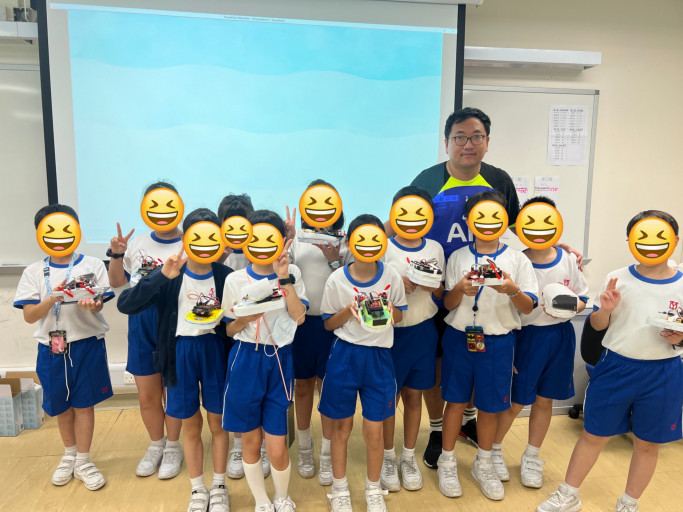
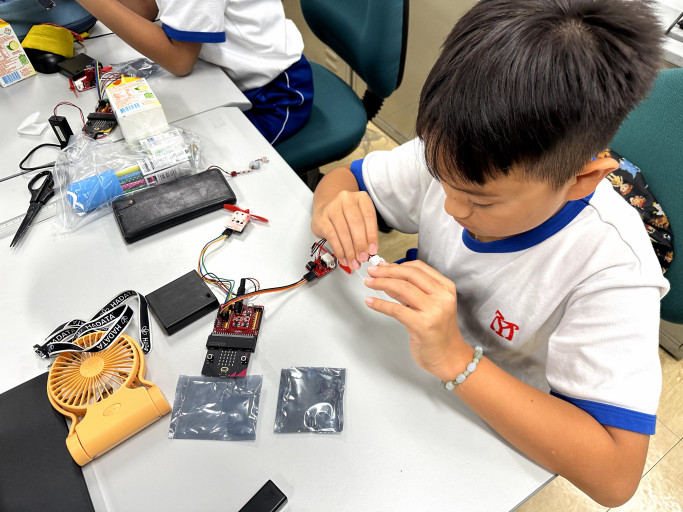
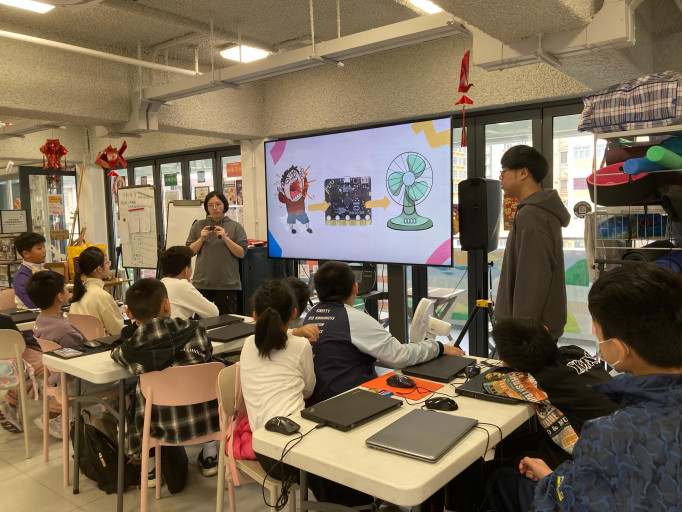
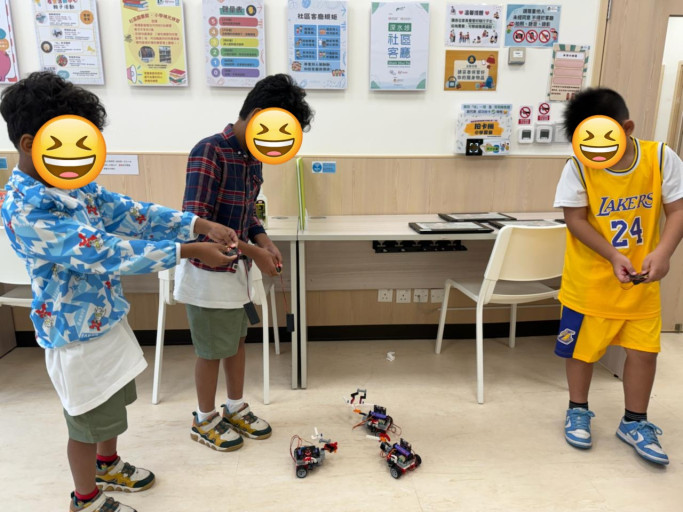
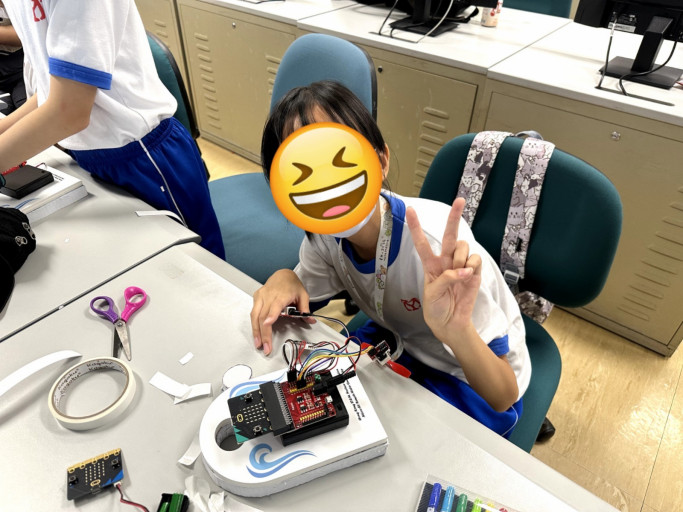
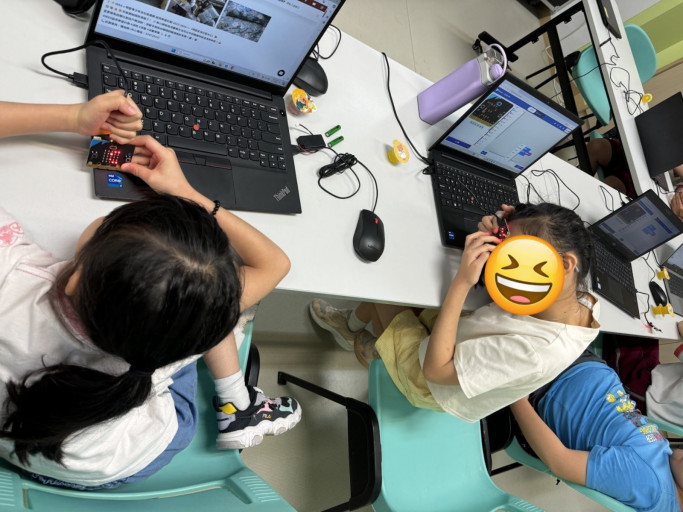
Micro:bit is a pocket-sized microcomputer designed for programming education among youth. It integrates multiple features including an LED dot matrix display, buttons, motion sensors, temperature sensors, and Bluetooth connectivity. Through easy-to-learn block-based programming or Python code, learners can quickly create a variety of smart devices and interactive projects. From a flashing name badge to an intelligent robot, Micro:bit turns digital creativity into reality, making it an ideal tool for inspiring creativity, developing computational thinking, and problem-solving skills.
Four Types of Course
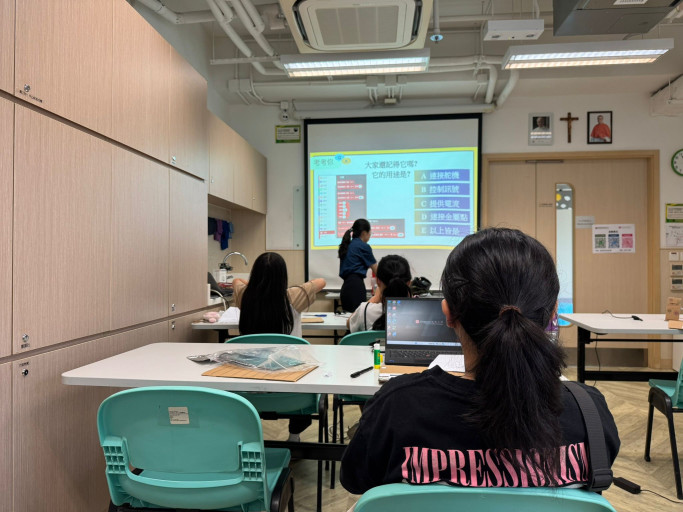
Short Course
Schedule: A single session, 1.5–2 hours.
Learning Outcome: Students will complete a take-home fun project, allowing them to experience the integration of programming and hardware in a short time and spark continued interest in learning.


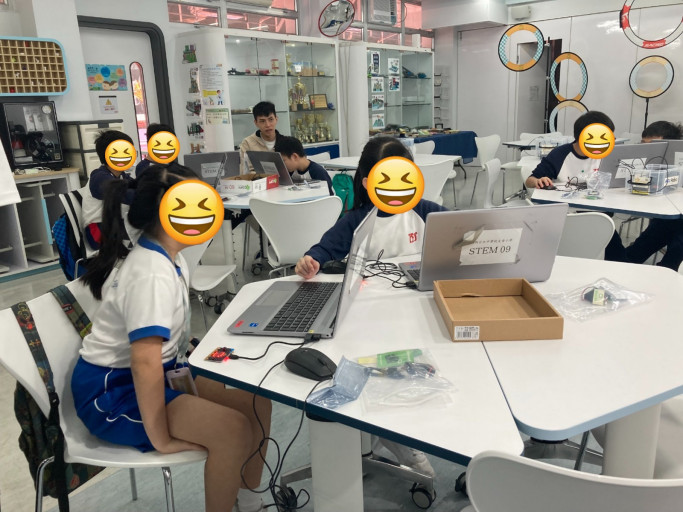
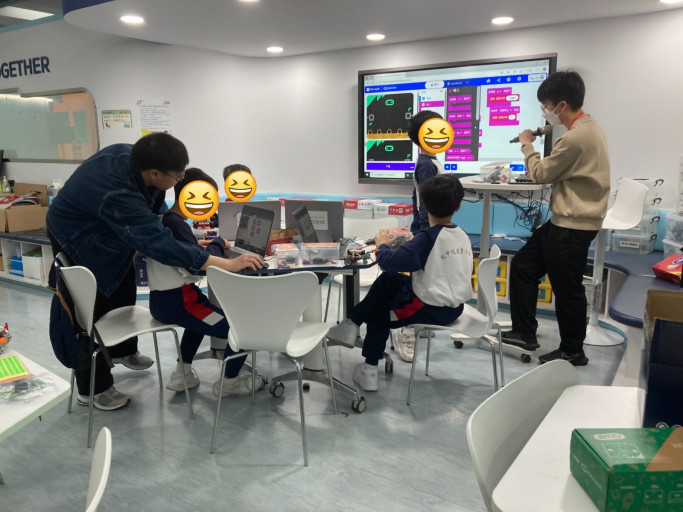
Long Course
Schedule: 1.5 hours per week over 3–4 weeks, centered around a specific theme.
Learning Outcome: Students will complete a full themed project, systematically developing problem-solving and project implementation skills.
Parent-Child Course
Schedule: A single 3-hour session, designed for families to participate together.
Learning Outcome: Parents and children will collaborate to complete a co-creation project, enhancing teamwork and sharing the joy of creation through hands-on activities.


Online Learning Resources (Self-Learning Platform)
Schedule: Flexible learning time, supported by step-by-step video tutorials and guides.
Learning Outcome: Students can progress at their own pace through a series of projects from basic controls to IoT applications, with the option to share outcomes and exchange ideas within the community.
Why We Offer Micro:bit Lesson
We believe that technology education should not be confined to the classroom—it should also integrate into society and serve the community. Through the Micro:bit volunteer program, participants not only consolidate their skills but also step into communities, schools, or nonprofit organizations to help more people—especially children, seniors, and under-resourced groups—gain access to programming and technological innovation. This is not just about sharing technical knowledge—it’s a process that cultivates empathy, leadership, and social responsibility, turning learning into real-world action that brightens the world around us.