


Nurturing the soil and nurturing the roots
A Happy Day @ The Lingnan Gardeners

The Lingnan Gardeners

Farming on wasteland

Wooden crate

Farming on concrete
Announced on September 22, 2014, and formally launched on November 25 of the same year, the Lingnan Gardeners project has now thrived for over a decade. Starting with three separate plots approved by the university, it once expanded to 255 square meters at its peak. We have grounded ourselves in reality, transforming any usable space into farmland within the planned area (construction wasteland, hillsides, and vacant lots), planting over a hundred crops, fruits, veggies and herbs according to local conditions.
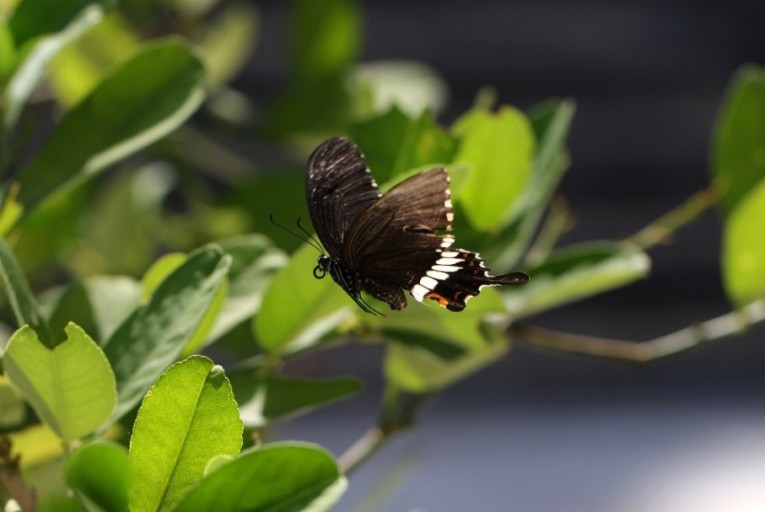
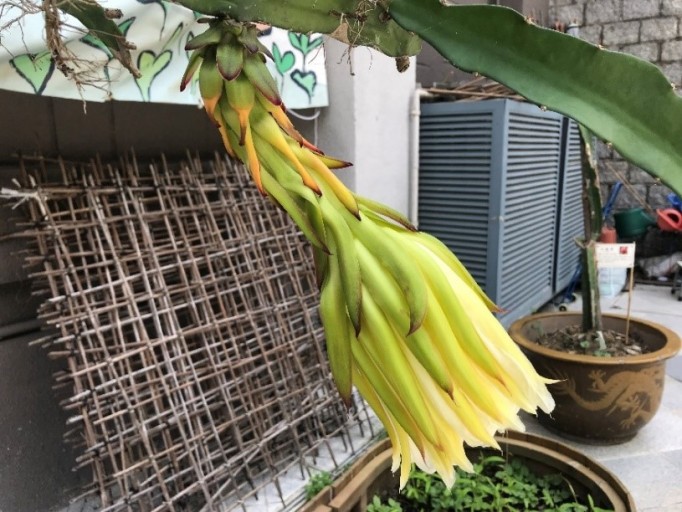

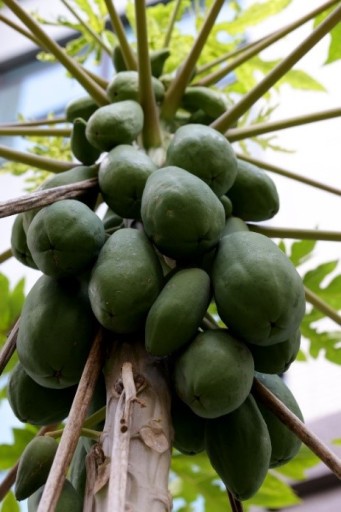
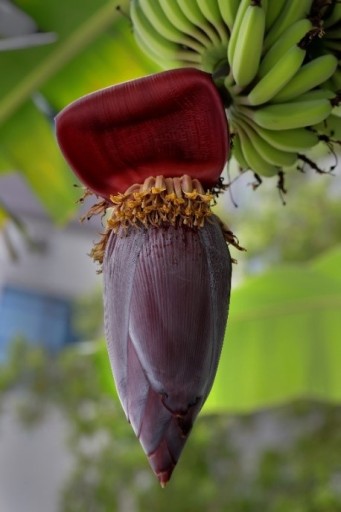
Thus, this transition campus stands apart from uniformly manicured ones—here, we discover that banana plants bear strikingly beautiful flowers; that the spiny dragon fruit is a type of cactus; that edible amaranth can grow over two meters tall… revealing the invisible lives of supermarket produce that are taken for granted. Butterflies dance, bees buzz, earthworms burrow through soil, frogs croak, and sometimes monkeys even come by to pluck bananas or papayas from the trees. A vibrant, thriving campus ecosystem flourishes.
The Lingnan Gardeners farming activities are open to students across all faculties who sign up voluntarily. Service learning component of undergraduate programme has been offered over the years. Beyond hands-on cultivation, participants engage in exchanges with other institutions, share knowledge with international scholars, and receive alternative ecological education. Walking through the campus, it is a common sight with dozens of students tilling soil, watering plants, weeding, and performing various farming tasks. Even Hong Kong's scorching, humid summers cannot dampen their enthusiasm.
The fields become classrooms; the soil becomes the teacher. The purpose of the Lingnan Gardeners project is not to teach students how to profit from agribusiness, but to learn to nurture lives and nature. Only by experiencing working on the land and fostering affection for it can we cultivate a heart for sustainability.

Through practice, we generate knowledge, broaden perspectives, and deepen our connection to the soil and community. To date, over 1,000 individuals — including faculty, students, alumni, their relatives, friends, and members of the public — have participated in planting, learning, and volunteer activities.
Where do the Garden’s harvests go? Since the growing areas are common, shared by the Lingnan community, and all labour is collective contribution, we do not sell our produce. We consciously resist individualism and monetary transactions. Instead, we notify participants via email, social media groups, and a monthly bilingual newsletter (later changed to bi-monthly and quarterly) about workdays, harvests, food processing workshops, and farming events.


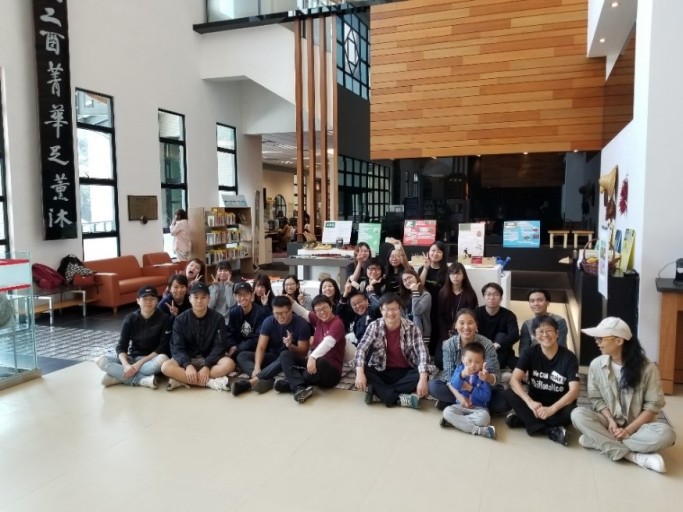
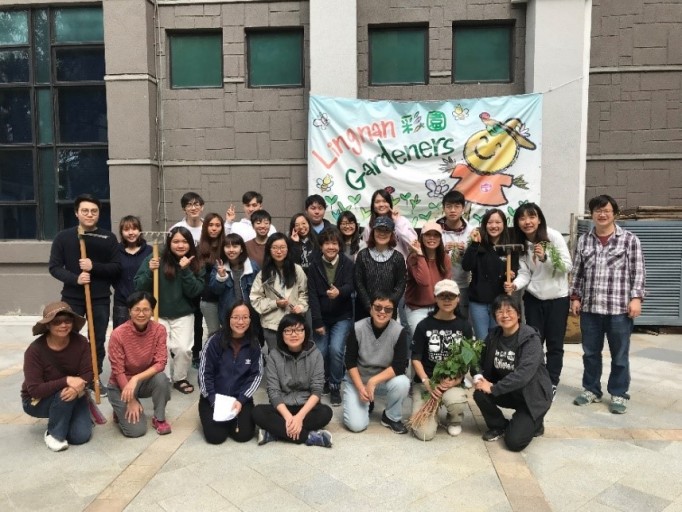
Practical farming education aims also to prompt students and participants to reflect on how current ecological crises are intertwined with modern consumption patterns and globalized capitalism. In designing learning activities, students participate in the full growth cycle, from sowing to harvesting, understanding the growth habits and specific soil/water needs of various crops, processing their own harvests, and learning carpentry to build planters, stools, tools, and carts. They also visit local organic farms (e.g. Sheung Shui Happy Farm, Kam Sheung Road Sangwoodgoon and Seeds Lab), labouring like farmers for a full day under the blazing sun or trudging through muddy fields.
Students are encouraged to creatively document their farming experiences. The process of filming fosters deep observation and reflection, while the resulting videos serve as powerful communication tools, mobilizing broader participation. Through practice and discussion, students gain more insights into how farming links closely to ecology and food security, and how climate change impacts on agriculture and food production. We also encourage them to ground their understanding locally while connecting to Asian and global contexts, thereby re-evaluating and preserving traditional wisdom.
Beyond integrating ecological education into coursework through on-site farming, the Lingnan Gardeners actively supports activities from other faculties and student clubs, offering diverse learning opportunities. Additionally, it organizes cooking workshops, film screenings, lectures, and seminars open to all students and staff. Speakers range from young farmers to eminent scholars researching on global development issues. By facilitating cross-cultural, interdisciplinary, and community network exchanges, we aim to challenge mainstream perspectives while showing the public how diverse activities and topics sustain ecological living. Seeking common ground while respecting differences, this expanding network creates space for more connections, collaborations, and mutual learning, lighting up the path forward together

Lingnan University’s Teaching Excellence Award (Team)
In 2019/2020, the Lingnan Gardeners team won the Lingnan University’s Teaching Excellence Award (team), a recognition of its contribution to the university’s whole-person education.

A joyful day with elderly
In 2024, the Lingnan Gardeners team engaged in community service with psychosocial recovery peers. Collaborating with district elderly centres, it co-created heartwarming activities like "Elderly & Lingnan University Student Volunteers: Warmth through Fragrant Sachets." It is precisely such activities that bridge the gap between students, staff, family, friends, and new acquaintances.

In collaboration with Hong Kong Baptist University
Community integration is like a vibrant community garden, where each person is a flower of a different colour. Respecting, accepting, and embracing individuals from all backgrounds and needs ensures everyone receives care and fair treatment, enjoys rights and takes responsibilities, enabling all to contribute their talents and wisdom to society. Lingnan Garden with its colours attracts more engagements and enhances our environs!